How to File Unfiled Back Taxes and Avoid IRS Penalties
Aug 29, 2025
Wondering how to file unfiled back taxes? Learn the steps to get compliant, reduce IRS penalties, and protect yourself from harsh tax collection actions.
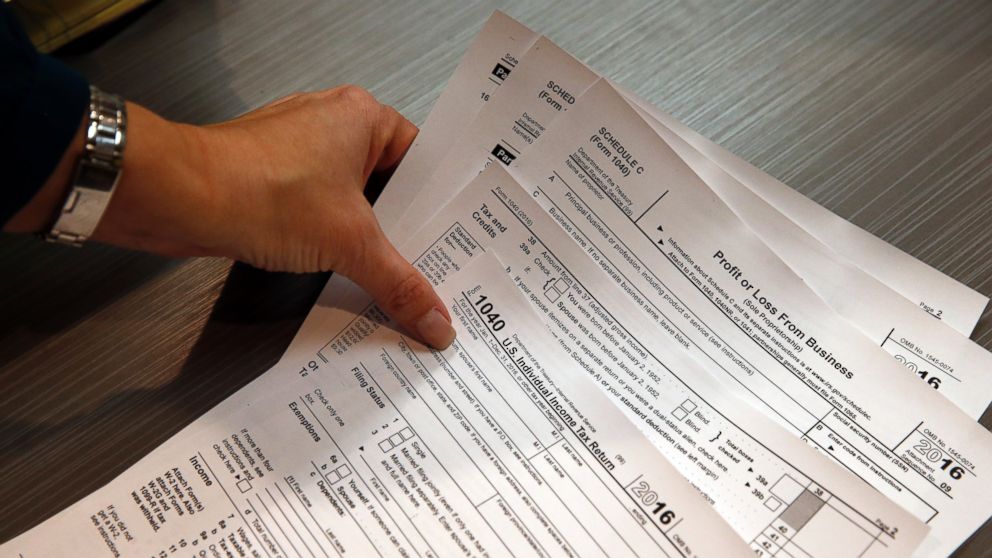
Understanding the Consequences of Unfiled Back Taxes
Failing to file your taxes can feel overwhelming, but the longer you wait, the bigger the consequences. The IRS doesn’t just forget about unfiled returns — they add penalties, interest, and may even take enforcement actions such as wage garnishment or bank levies.
If you’re searching for how to file unfiled back taxes, it means you’ve taken the first step toward getting compliant and resolving your tax issues. With the right approach, you can minimize penalties, protect your income, and avoid further trouble with the IRS.
Why Filing Unfiled Back Taxes Matters
The IRS takes unfiled returns very seriously. Here’s why you shouldn’t ignore them:
Failure-to-file penalties grow quickly, reaching up to 25% of the tax owed.
Substitute for Return (SFR): The IRS may file a return for you using income information they have — but they won’t include deductions or credits, often making your tax bill higher.
Loss of refunds: If you don’t file within three years, you permanently forfeit any refund owed to you.
Enforcement actions: Unfiled taxes can lead to wage garnishment, bank levies, or tax liens.
How to File Unfiled Back Taxes: Step-by-Step
Getting caught up may sound intimidating, but the process is manageable if you break it down:
1. Gather Your Tax Records
Collect W-2s, 1099s, and any other income documents for each missing year.
If you don’t have copies, request a Wage and Income Transcript from the IRS.
2. Determine Which Years You Need to File
Generally, the IRS requires the last six years of returns to be filed.
However, filing older years can help resolve outstanding debts and avoid further issues.
3. Complete and File the Tax Returns
Use tax preparation software or work with a tax professional to ensure accuracy.
Attach any required forms and schedules.
4. Address Any Balance Due
If you owe, pay as much as you can.
If you can’t pay in full, consider:
Installment Agreement – Monthly payment plan.
Offer in Compromise – Settle for less than you owe.
Currently Not Collectible Status – Temporary relief if you can’t afford payments.
5. Confirm IRS Processing
Monitor your IRS account to ensure your returns are accepted and applied to your record.
Keep copies of everything for your records.
Common Challenges When Filing Back Taxes
Taxpayers often face hurdles when trying to catch up on returns:
Missing financial records.
Incorrect IRS substitute returns (SFRs) that inflate balances.
Confusion over penalties and interest.
Fear of enforcement actions once they file.
This is why many people seek professional IRS back tax filing help — to avoid costly mistakes and negotiate the best resolution possible.
Benefits of Filing Unfiled Back Taxes
Getting compliant with the IRS provides immediate relief and peace of mind:
Stops the accumulation of additional penalties.
Prevents enforcement actions like garnishment and levies.
May qualify you for tax relief programs.
Protects future refunds and tax credits.
Provides financial clarity and a fresh start.
Professional Help with Unfiled Taxes
While it’s possible to file back taxes on your own, the process can be stressful and complex. A tax relief professional can:
Reconstruct missing records.
File accurate returns to replace IRS substitutes.
Negotiate with the IRS for affordable resolutions.
Communicate with the IRS on your behalf.
By partnering with experts, you save time, reduce stress, and often achieve better financial outcomes.
Final Thoughts
Knowing how to file unfiled back taxes is the first step toward regaining control of your finances. The process may seem daunting, but with proper guidance and professional support, you can resolve your tax issues, minimize penalties, and protect your income from IRS collection actions.